
Leave Your Message
Imagine riding through a peaceful forest trail, the sunlight filtering through the leaves, as you grip your bike's handlebars. Your blue sleeves catch a bit of the warm glow, and mounted on your bike is your phone showing a map—perfect for navigation—while your smartwatch quietly tracks your activity. It’s a calm, yet adventurous moment—just you, the bike, and nature all around. Whether you're exploring a new route or just out for a leisure ride, there's something special about feeling connected to the outdoors, with the scenery whirling past and your focus on the path ahead. Riding through this leafy trail, especially with those fall colors, really makes you appreciate the simple pleasures of outdoor activity and exploration.


As the culinary landscape continues to evolve, the demand for advanced cooking technologies in commercial kitchens is on the rise. In 2025, Induction Cookers are leading the charge, offering unparalleledefficiency and energy savings. These state-of-the-art appliances provide precise temperature control, allowing chefs to achieve optimal cooking results while significantly reducing energy consumption by up to 30%. This not only minimizes operational costs but also supports sustainability initiatives, making induction cookers an ideal choice for modern commercial kitchens.
Among the top contenders in the market this year are models designed specifically for high-volume cooking environments. Features such as rapid heating capabilities, intuitive interfaces, and robust safety mechanisms set these induction cookers apart. With their sleek designs and user-friendly functionalities, culinary professionals can seamlessly integrate them into their workflows, enhancing productivity and ensuring consistent food quality. As businesses strive to meet the growing consumer demand for eco-friendly practices, investing in leading induction cookers is a smart move for any commercial kitchen looking to stay ahead in 2025.
The rising demand for smart Cooking Appliances reflects a significant shift in modern culinary practices, with multifunctional devices such as automatic stir-fry pans and stew cookers at the forefront of this trend. These innovative kitchen appliances are designed to simplify meal preparation while delivering professional-grade results in the comfort of home. By combining the functionalities of a stir-fry pan and a stew cooker, they cater to diverse cooking needs, allowing users to efficiently create a variety of dishes with minimal effort.
The Automatic Stir-fry Pan/Stew Cooker stands out in the market due to its robust construction and versatile design. Featuring a shell made entirely of stainless steel, it not only ensures durability but also offers an aesthetically pleasing look that fits seamlessly into any modern kitchen. The composite 304 stainless steel pot further enhances its cooking performance, providing even heat distribution and easy maintenance. This multifunctional device is ideal for busy individuals or families who seek to enjoy healthy, home-cooked meals without the time-consuming labor often associated with traditional cooking methods. As such, this appliance is a notable investment for anyone looking to elevate their culinary experience while embracing the convenience of smart technology.
: High-efficiency induction cookers offer rapid heating times, precise temperature control, enhanced safety mechanisms, and up to 30% more energy efficiency compared to traditional stoves, leading to reduced energy bills and a lower carbon footprint.
Induction cookers convert about 90% of energy directly into heat, whereas traditional gas cooktops convert approximately 70% of energy into heat.
When selecting an induction cooker, prioritize models with multiple cooking zones, adjustable power levels for versatility, and energy monitoring systems for tracking usage and optimizing efficiency.
Smart induction cooking technology maximizes kitchen efficiency by heating quickly, ensuring precise temperature control, and using up to 30% less energy, which significantly reduces operational costs while maintaining high cooking quality.
Yes, switching to induction cooking can noticeably decrease the carbon footprint associated with meal preparation, making it a more environmentally friendly option.
Features that enhance energy savings in induction cookers include rapid heating times, precise temperature control, energy monitoring systems, and advanced safety mechanisms like auto shut-off.
Dongguan Ucook Foodservice Equipment Co., Ltd. specializes in commercial kitchen equipment and is at the forefront of integrating smart induction cooking technology, optimizing energy savings and kitchen efficiency.
Induction cookers typically use about 30% less energy than traditional gas or electric stoves, leading to lower energy consumption and costs.
Modern induction cookers incorporate intelligent features such as multi-door frequency conversion, optimizing steam cooking, and enhancing overall energy savings in commercial kitchens.
Utilizing high-efficiency induction cookers can significantly reduce kitchen carbon emissions, making them a preferable choice for environmentally conscious cooking.
The article titled "2025 Top 5 Commercial Induction Cookers: Boost Efficiency with 30% Energy Savings" highlights the importance of selecting high-quality commercial induction cookers for modern food service operations. It outlines essential features to consider, such as efficiency and energy savings, while also discussing the various benefits that induction cooking offers in enhancing kitchen operations. The analysis reveals that commercial induction cookers can significantly outperform traditional cooking methods in terms of energy efficiency—offering up to 30% savings.
Moreover, the article emphasizes the role of leading brands and innovative smart induction cooking technologies, which enable businesses to maximize their kitchen efficiency. Companies like Dongguan Ucook Foodservice Equipment Co., Ltd. provide a range of products, including industrial and commercial induction cookers, that align with these advancements. By investing in the right induction cooking equipment, food service operations can not only enhance productivity but also contribute to environmental sustainability.

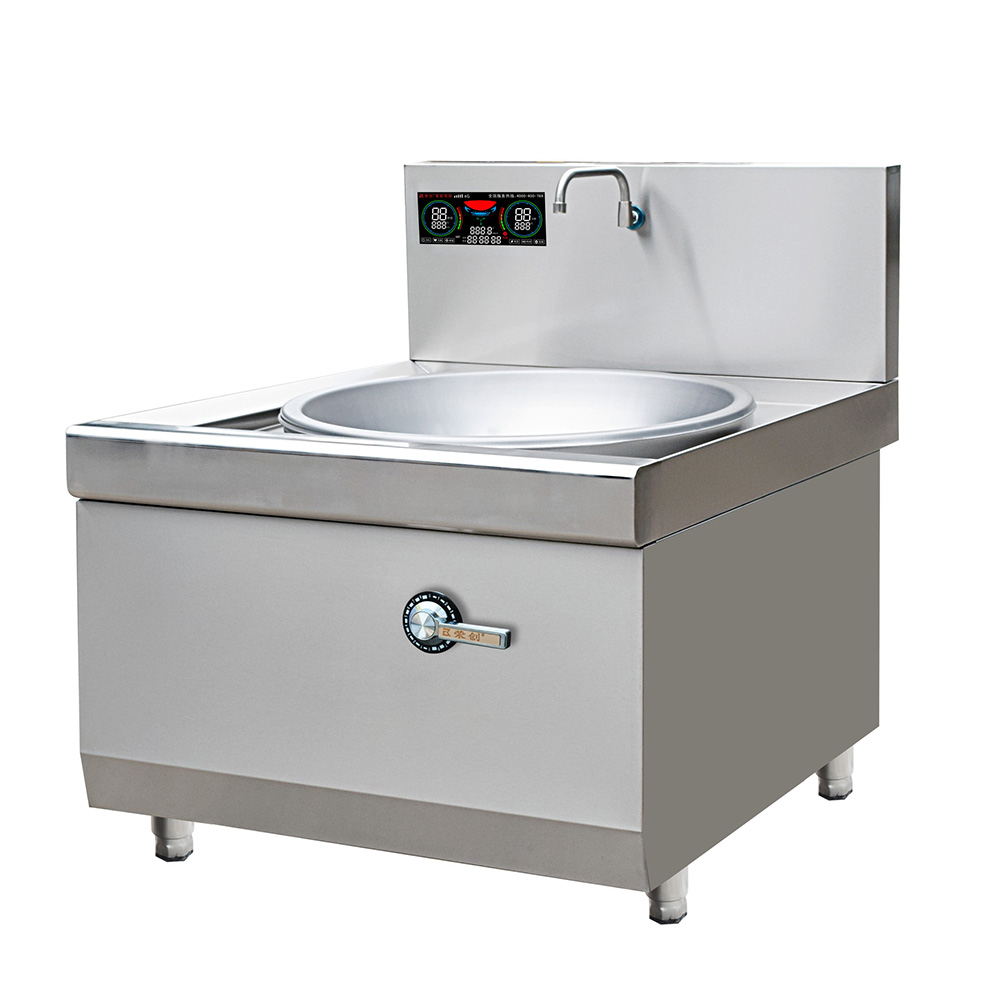


 Key features to consider include rapid heating times, precise temperature control, and safety mechanisms like auto shut-off. Induction cookers typically provide up to 30% more energy efficiency compared to traditional gas or electric stoves. Reports show that they convert about 90% of energy directly into heat, compared to approximately 70% for gas cooktops. This high efficiency not only helps in reducing energy bills but also contributes to a more sustainable kitchen environment.
