Leave Your Message
0%

Lately, we've been seeing a pretty big shift in how people prep food, all thanks to Industrial Induction Steamers. These gadgets are pretty game-changing—they heat up quickly and give you much more control over the temperature, which not only makes cooking more precise but also helps save energy. I read somewhere that, according to the Energy Efficiency in Commercial Kitchens Initiative, switching to induction tech can lower energy use by up to 30%. That's a pretty big deal!

Everyone’s been talking about what industry pros like Chef Michael Smith have said. He once mentioned, "Induction Steamers are not just tools; they redefine how we approach cooking." That really speaks to how these devices are changing the game in modern kitchens. They cook food evenly and help keep flavors just right, which is something many chefs really appreciate. Plus, safety features are a big plus—they make the kitchen a lot safer by reducing burns and accidents.

Of course, there’s a catch. The initial cost for Industrial Induction Steamers can be a bit of a hurdle for some businesses, and switching from traditional equipment requires a bit of trust and getting used to new tech. Training and adapting to how these devices work can take some time and patience. But if you weigh these challenges against the benefits, it’s clear that this technology has potential to really take off. It’s all about finding the right balance and seeing whether the advantages outweigh the initial bumps in the road.

What Are the Benefits of Industrial Induction Steamers?

Advantages of Industrial Induction Steamers in Food Preparation

Industrial induction steamers are transforming food preparation in various ways. They offer rapid heating and precise temperature control. This technology allows chefs to cook food evenly, reducing the chances of burning or undercooking. The instant heat means that water can boil in seconds, which is ideal for busy kitchens. The speed not only saves time but also enhances workflow in a commercial setting.

More significantly, induction steamers are energy-efficient. They use less energy compared to traditional steamers and stovetops. This efficiency can lead to cost savings over time. However, transitioning to induction technology requires an investment in training. Some staff may resist changing their familiar methods, leading to initial challenges. The need for adaptation can cause disruptions in kitchen operations. Also, while induction steamers are powerful, they can be sensitive to cookware material. Ensuring compatibility is essential for optimal performance. The benefits are clear, but the transition demands careful consideration and planning.

How Industrial Induction Steamers Improve Cooking Efficiency

Industrial induction steamers have transformed cooking processes in commercial kitchens. They utilize electromagnetic energy for fast heating, reducing traditional cooking times significantly. Reports indicate that these steamers can improve cooking efficiency by up to 30%. This efficiency is paramount for busy kitchens where time is critical.

The design of Countertop Steamers allows for precise temperature controls. Cooking food evenly not only enhances flavor but also reduces energy waste. A study by the Energy Star program shows that induction cooking can be 25% more energy-efficient than standard electric cooking. Chefs can focus on creativity while ensuring consistent results with less supervision.

However, as with any technology, there are challenges. The initial cost of induction steamers can be a barrier for some establishments. Training staff to use new equipment also requires time and resources. Not all dishes may adapt well to this cooking method. Further exploration of its limitations could lead to better integration and utilization in commercial settings. Balancing efficiency with practicality remains an ongoing conversation.

Energy Efficiency: Reducing Costs with Induction Steam Technology

Energy efficiency is a significant advantage of using induction steam technology. Reports indicate that induction systems can be up to 90% efficient. This contrasts sharply with traditional steamers, which often operate around 70%. A restaurant utilizing induction steamers may see a substantial reduction in energy costs. This reduction can lead to improved profit margins over time.

Moreover, Industrial Induction Cooking Appliances often heat up quickly, cutting down on wait times. This swift performance can enhance kitchen productivity. Fewer cook times mean more dishes can be prepared in a shorter period. However, not all kitchens are ready for this transition. Some staff may need training to use these advanced appliances effectively.

In some cases, the initial investment in induction technology can be daunting. While energy savings accumulate, upfront costs might cause hesitation. Yet, the long-term benefits usually justify the investment. As sustainability becomes a priority, more kitchens will likely adopt induction steamers. Keeping up with industry trends can yield competitive advantages in the long run.

Enhanced Food Quality: Maintaining Flavor and Nutrients

Induction steamers are changing the way we cook. They help retain the natural flavors of food. With an Induction Cooker Industrial, precision heating allows for a quick and even cooking process. This means vegetables stay vibrant and meats retain their juiciness. Cooking at lower temperatures for shorter times ensures the nutrients remain intact.

Flavor is essential in cooking. When food cooks quickly, it often tastes better. The steam helps to preserve essential oils and compounds. Chefs notice a difference in texture and aroma. Yet, some may struggle with the learning curve. Adjusting to new equipment can take time. Mistakes can happen, leading to overcooked or uneven dishes.

However, the benefits often outweigh these challenges. People are becoming more health-conscious. Induction steamers align well with this trend. They produce delicious meals without excessive oils or additives. The result is flavorful dishes that also contribute to a balanced diet. Embracing this technology can elevate cooking experiences and improve the quality of meals.

Safety Features of Industrial Induction Steamers

Industrial induction steamers offer advanced safety features that significantly reduce risks in commercial kitchens. These steamers employ induction heating, which minimizes the surface temperature. This makes burns less likely, creating a safer environment for kitchen staff. In fact, a study by the National Fire Protection Association (NFPA) indicates that induction cooking can reduce kitchen fire incidents by up to 35%.

Moreover, many modern steamers include automatic shut-off functions. If a unit overheats or if there’s a malfunction, it will turn off immediately. This feature is crucial in busy kitchens, where distractions can lead to errors. Manufacturers also emphasize using durable materials that withstand wear and tear, as per recent industry reports. This commitment to safety doesn't just protect people; it promotes a more efficient work atmosphere. With an Industrial Induction Cooker, the potential for accidents diminishes, but awareness is still key. Dependence on technology can sometimes lead to complacency.

Staff training remains vital even with these advanced safety systems. Understanding how to operate induction steamers properly ensures that safety features fulfill their intended purpose. Minor lapses in procedures can lead to hazards, despite the technology's advantages. Thus, a focus on safety culture alongside the use of industrial induction cooking equipment is essential for optimal results.

Versatility of Industrial Induction Steamers in Different Cuisines

What Are the Benefits of Industrial Induction Steamers?

Industrial induction steamers bring a unique versatility to various cuisines. They excel in performing different cooking techniques, making them indispensable in professional kitchens. Whether you're steaming vegetables, seafood, or dumplings, the precision of induction heating ensures even cooking. The steam generated is efficient, allowing for quick preparation and consistent results across dishes.

One tip is to manage the water levels carefully. Too much water can lead to soupy dishes, while too little might dry out your food. Don’t be afraid to experiment. For instance, different herbs and spices can elevate the flavor profile of steamed foods. Each cuisine has distinct tastes, and adapting recipes can lead to exciting results.

Cleaning induction steamers can be a bit challenging. Food residues might stick to the surface if not attended to promptly. Regular maintenance is crucial for longevity. Using vinegar and water solution can help break down stubborn stains. Remember to also consider your cooking space. Adjustments may be necessary to accommodate the steamer’s size and steam output. Being flexible in using this equipment can enhance your culinary skills.

Comparison with Traditional Cooking Methods in Commercial Settings

What Are the Benefits of Industrial Induction Steamers?

In commercial kitchens, cooking efficiency is a top priority. Industrial induction steamers offer significant advantages over traditional methods. Cooking times can be reduced by up to 30% using induction steaming. This saves both time and energy, making operations more profitable.

Traditional methods rely heavily on gas and electric heaters. These can waste energy and require more manual oversight. The average kitchen can consume over 6,000 kWh monthly for cooking. In contrast, induction steamers have a higher energy efficiency rating, often exceeding 90%. This means less heat loss and better control over cooking temperatures, leading to consistently high-quality dishes.

However, it is essential to note that while induction steamers provide many benefits, they also have limitations. Initial investment costs can be high, and some staff may require training to adapt to new equipment. Understanding these aspects helps kitchen managers make informed decisions. Balancing efficiency with cost is crucial in today’s competitive food service industry.

Enhancing Culinary Efficiency: A Comprehensive Guide to the Commercial Induction Steamer Cooker for Rice Rolls

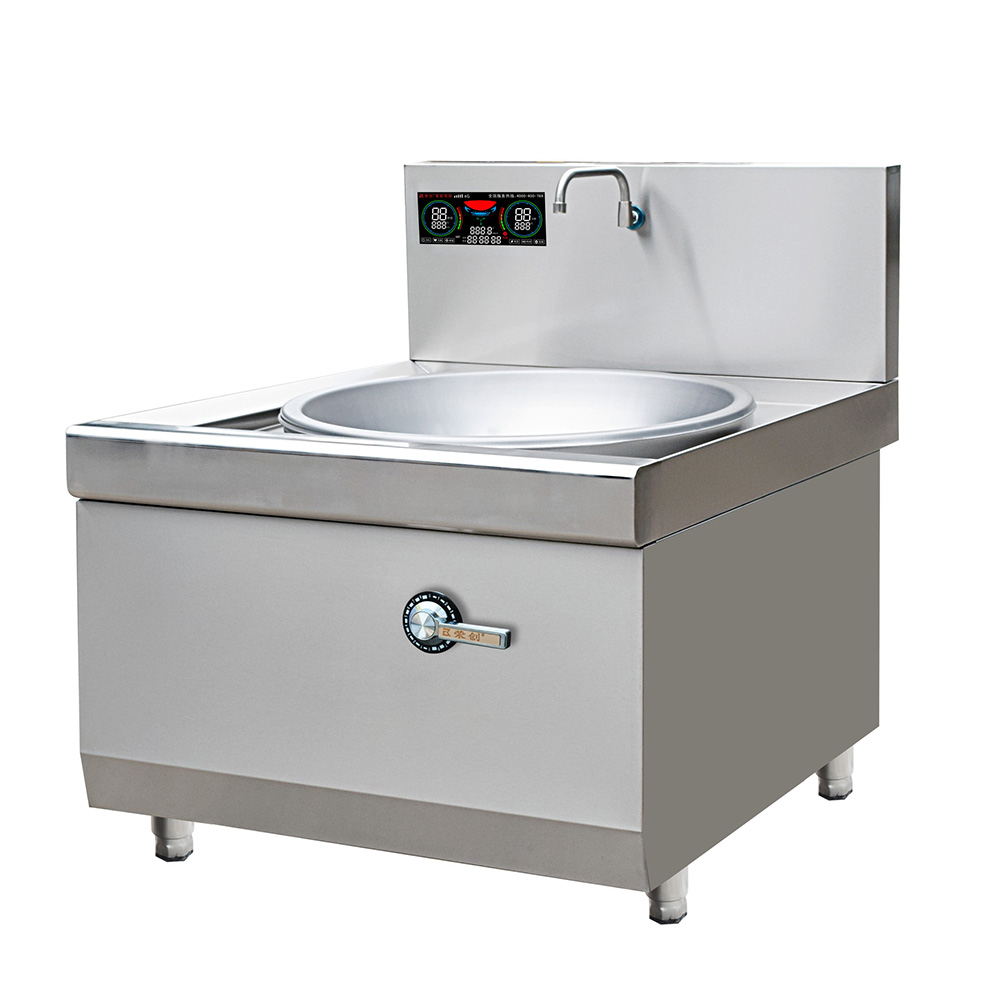
In the competitive culinary landscape, efficiency and precision are paramount, especially in commercial kitchens. One tool that has been gaining traction for its ability to streamline processes is the commercial induction steamer cooker. Designed specifically for tasks such as preparing rice rolls, this appliance offers a myriad of features that enhance cooking efficiency. The entire stainless steel body ensures durability, making it perfect for heavy usage in busy food establishments.

The induction steamer’s imported button-type temperature controller enables chefs to achieve precise temperature adjustments ranging from 50°C to 300°C, ensuring that every dish is prepared to perfection. According to industry reports, temperature control is critical in food preparation, with improper heating being a common factor leading to inconsistent results. The digital firepower display further aids in monitoring cooking intensity, providing a clear view of the heat status during operation.

Safety and cleanliness are also prioritized with its IPX6 waterproof design, which allows for easy cleaning without the risk of damaging electrical components. This feature is especially beneficial in high-paced environments where maintaining hygiene is essential. Furthermore, the three-dimensional three-defense structure ensures that the unit is not only waterproof but also resistant to oil and smoke, factors that can significantly affect the lifespan and functionality of cooking equipment. Investing in a commercial induction steamer cooker is not merely a matter of convenience; it aligns with modern culinary standards that demand efficiency and effectiveness in food preparation.

FAQS

: What are the main benefits of practicing mindfulness?

: Mindfulness reduces stress and anxiety. It also improves focus and emotional regulation. Regular practice can enhance overall well-being.

How long should I meditate each day?

Beginners can start with 5-10 minutes. Gradually increase the duration as comfort grows. Consistency matters more than duration.

Can mindfulness help with sleep issues?

Yes, mindfulness can promote relaxation. It helps quiet the mind, making it easier to fall asleep. Try a breathing exercise before bed.

What if I can't focus during meditation?

It's normal to get distracted. Acknowledge your thoughts and gently return to your breath or mantra. This takes practice.

Are there specific techniques for mindfulness?

Yes, techniques include breathing exercises, body scans, and mindful walking. Explore various methods to find what resonates with you.

How can I incorporate mindfulness into daily life?

Practice being present during routine tasks, like eating or walking. Focus on the sensations and experiences. This can be grounding.

Conclusion

Industrial induction steamers offer numerous advantages that significantly enhance food preparation processes in commercial kitchens. These advanced cooking devices improve cooking efficiency by heating food quickly and consistently, thereby saving time and labor. The energy efficiency of industrial induction steamers leads to reduced operational costs, making them a cost-effective choice for businesses. Additionally, these steamers help maintain the quality of food by preserving its flavor and nutrients, resulting in better-tasting dishes.

The versatility of industrial induction steamers allows they can be used across various cuisines, making them suitable for a wide range of cooking applications. Compared to traditional cooking methods, induction steamers provide increased safety features, minimizing the risk of burns and accidents in the kitchen. Overall, the combination of efficiency, quality enhancement, and safety makes industrial induction steamers an invaluable asset in the culinary industry.

Clara

Clara

Clara is a dedicated marketing professional at Dongguan Youchu Trading Co., Ltd, where she utilizes her extensive knowledge of the company's products to drive engagement and growth. With a keen understanding of the culinary industry, Clara plays a pivotal role in showcasing the strengths of the......
Previous Future Innovations in Kitchenware and Top Tips for Sourcing Countertop Woks