Leave Your Message
0%

You know, with how quickly the culinary world keeps changing, having reliable and efficient Cooking Appliances is more important than ever. One of thecoolest innovations lately has to be the commercial Induction Cooker. It’s really a game-changer for all kinds of kitchens out there. Chef David Silverman, who’s pretty much an expert when it comes to restaurant gear and tech, puts it nicely: 'The commercial induction cooker doesn’t just cook faster, it also uses energy more efficiently—something that’s super important in today’s modern kitchens.' His words really sum up how everyone's starting to see induction tech as a big deal in the food scene.

Basically, these cookers use electromagnetic fields to heat up pots and pans directly. That makes them super efficient and safe to use. Plus, they cut down on the chances of burns or fires—great news for chefs and anyone working in the kitchen. As more people look for ways to save energy and cut costs, the commercial induction cooker has become pretty much a must-have for restaurants, catering companies, or even food trucks. By jumping on this tech bandwagon, food pros can up their game, making sure every dish they serve is top-notch and consistent every single time.

What is a Commercial Induction Cooker and How Does It Work

What is a Commercial Induction Cooker?

What is a Commercial Induction Cooker and How Does It Work

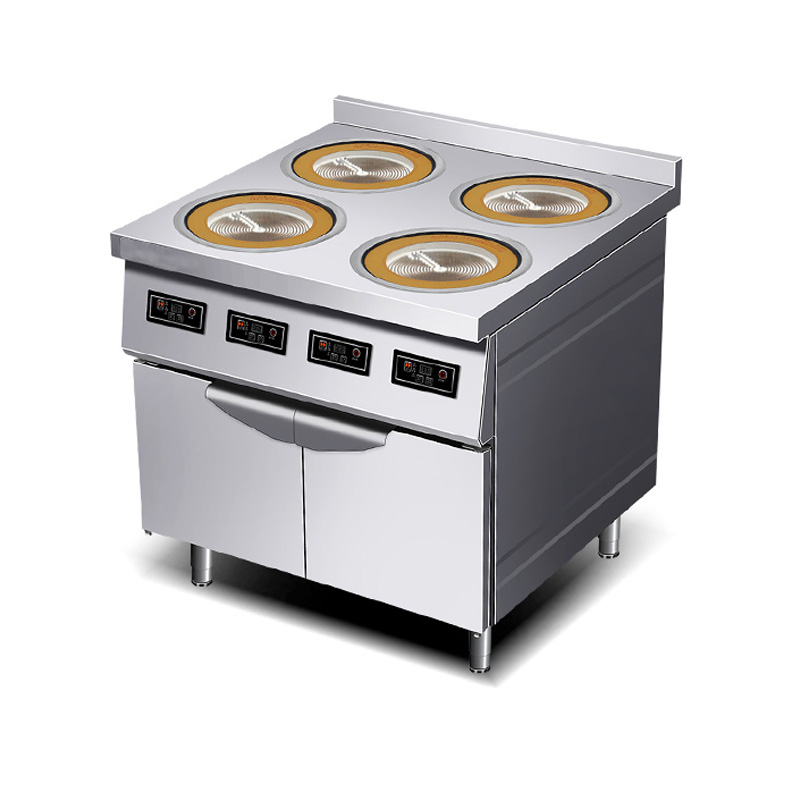
A commercial induction cooker is a type of cooking appliance that uses electromagnetic energy to heat up pots and pans directly, rather than using a flame or hot surface. This technology makes induction cookers highly efficient, as they provide rapid heating and precise temperature control. Typically used in restaurants and catering services, these cookers are designed to accommodate high-volume cooking and withstand the rigors of a busy kitchen environment.

The fundamental mechanism behind a commercial induction cooker involves an induction coil beneath the cooking surface. When an appropriate cookware is placed on the cooker, an electric current flows through the coil, generating a magnetic field. This induces an electric current in the cookware, producing heat directly within the pot or pan. As a result, the exterior of the cooker remains relatively cool, significantly reducing the risk of burns and making cleanup easier. These features not only enhance safety but also contribute to energy efficiency, making commercial induction cookers a popular choice among professional chefs.

Key Components of a Commercial Induction Cooker

A commercial induction cooker is a highly efficient cooking device that uses electromagnetic fields to heat pans directly, rather than relying on traditional gas or electric heating methods. Central to its operation are several key components that enhance its performance and durability.

One of the primary components is the induction coil, which generates a magnetic field when an electric current passes through it. This field interacts with the ferrous material of the cookware, causing it to heat up rapidly. Additionally, a glass-ceramic surface protects the induction coil and allows for easy cleaning, while also providing a sleek appearance.

Another essential component is the control system, which allows for precise temperature adjustments and quick responsiveness to changes in cooking needs. Many commercial models include features such as timers, safety shut-off mechanisms, and programmable presets to streamline kitchen operations. Lastly, cooling fans are integrated to disperse heat and maintain optimal operating temperatures, ensuring the longevity of the appliance even in busy environments. Together, these components make commercial induction cookers a popular choice in professional kitchens, delivering speed, safety, and energy efficiency.

What is a Commercial Induction Cooker and How Does It Work - Key Components of a Commercial Induction Cooker

Component Description Function
Induction Coil A copper coil that generates a magnetic field. Creates heat directly in ferrous cookware by inducing current.
Control Panel An interface for setting cooking temperature and timers. Allows users to easily manage cooking processes.
Power Supply The electric system that powers the induction cooker. Provides the necessary energy to create the magnetic field and heat.
Cooling System A fan or liquid cooling system to maintain optimal temperature. Prevents overheating and extends the lifespan of the cooker.
Safety Sensors Devices that monitor temperature and cookware presence. Ensure safe operation by preventing accidents and overheating.

How Does Induction Heating Work?

Induction heating is a method of heating that utilizes electromagnetic fields to generate heat directly in the cookware, providing a highly efficient and rapid cooking experience. When an induction cooker is turned on, an alternating current passes through a coil situated beneath the cooktop surface. This generates a magnetic field that induces an electric current in the conductive material of the pot or pan placed on the cooker. As a result, the cookware heats up quickly, while the cooktop remains cool to the touch.

The efficiency of induction heating lies in its ability to directly transfer energy to the cooking vessel, minimizing heat loss and ensuring precise temperature control. This method allows for faster cooking times and energy savings compared to traditional cooking methods. Additionally, because induction cooking only heats the pot, it reduces the risk of burns and makes cleaning easier, as spills do not get baked onto a hot surface. Such advantages have made commercial induction cookers increasingly popular in professional kitchens, where speed and safety are paramount.

Advantages of Using Commercial Induction Cookers

Commercial induction cookers are becoming increasingly popular in the food service industry due to their efficiency and advanced cooking technology. One of the primary advantages of using commercial induction cookers is their ability to heat up quickly and provide precise temperature control. This not only speeds up cooking times but also enhances the quality of the food being prepared, leading to more consistent results. Additionally, induction cooking is more energy-efficient than traditional gas or electric stoves, as it directly heats the cookware without wasting energy in the process.

Another significant benefit of commercial induction cookers is their safety features. Since the cooktop remains cool to the touch during cooking, the risk of burns or kitchen accidents is greatly reduced. This is particularly important in busy kitchens where safety is a primary concern. Furthermore, induction cookers often come with automatic shut-off features that enhance their safety and energy efficiency.

**Tips:** When using commercial induction cookers, it's advisable to use cookware specifically designed for induction cooking, such as stainless steel or cast iron, to ensure optimal performance. Regular maintenance, including cleaning the surface after each use, can help prolong the lifespan of your induction cooker. Lastly, training staff on the unique features of induction cooking will maximize efficiency and safety in your kitchen.

Comparing Commercial Induction Cookers to Traditional Cooking Methods

Commercial induction cookers present a modern solution for cooking in professional kitchens, differing significantly from traditional cooking methods. Unlike gas or electric stoves, which generate heat through flames or heated coils, induction cookers utilize electromagnetic energy to directly heat cookware. This means that the surface of the induction cooker remains cool to the touch, significantly reducing the risk of burns and providing a safer cooking environment. Additionally, induction cooking allows for precise temperature control and faster heating, which can enhance efficiency during busy service hours.

When comparing induction cookers to traditional cooking methods, one of the most notable advantages is energy efficiency. Induction cookers convert up to 90% of the consumed energy into usable heat, whereas traditional gas stoves may only achieve around 40% to 55% efficiency due to heat loss. This not only translates to lower energy costs but also minimizes the kitchen's overall heat output, creating a more comfortable working environment. Furthermore, the rapid heating capabilities of induction technology allow chefs to work more swiftly, leading to improved productivity in high-demand scenarios. As commercial kitchens strive for efficiency and safety, the shift towards induction cooking continues to gain momentum.

Common Applications of Commercial Induction Cookers

What is a Commercial Induction Cooker and How Does It Work

Commercial induction cookers are revolutionizing the culinary landscape, particularly in high-volume settings such as restaurants, catering services, and institutional kitchens. One of the key reasons for their rising popularity is their efficiency and speed. According to a report by the International Energy Agency, induction cooking can be up to 90% energy-efficient, compared to traditional methods that average around 50% efficiency. This makes induction cookers not only environmentally friendly but also cost-effective for businesses focused on energy savings.


In terms of applications, commercial induction cookers excel in environments that require rapid and precise temperature control. They are commonly used for sautéing, boiling, and even frying, allowing chefs to adapt to various cooking styles. A survey conducted by the National Restaurant Association highlighted that 63% of chefs believe induction cooking provides superior cooking performance and consistency. Additionally, with the industry's growing emphasis on food safety, induction cookers reduce the risk of burns and accidents, making them an ideal choice for bustling kitchen environments. Whether it's for gourmet cooking in upscale restaurants or quick meal prep in fast-casual dining, the versatility of commercial induction cookers meets diverse cooking demands.

Maintenance and Safety Tips for Induction Cookers

Induction cookers are becoming increasingly popular in commercial kitchens due to their efficiency and speed. However, to ensure optimal performance and safety, regular maintenance is essential. One key tip is to clean the surface regularly using a soft cloth and appropriate cleaner designed for induction cooking. This prevents food residue from accumulating, which can lead to performance issues or food contamination.

Additionally, it is crucial to routinely check the power supply and cables for any signs of wear or damage. This not only helps in maintaining the cooker's functionality but also reduces the risk of electrical hazards. Make sure to use induction-compatible cookware, as improper cookware can cause inefficiencies and safety concerns. Be aware of any unusual sounds or error messages on the display, as these may indicate a need for professional servicing.

Finally, always prioritize safety by ensuring that the induction cooker is turned off when not in use. Implementing these maintenance and safety tips can greatly enhance the longevity and reliability of your commercial induction cooker, while also creating a safer working environment.

Commercial Induction Cooker Energy Efficiency Comparison

This chart compares the energy efficiency of different cooking methods commonly used in commercial kitchens. The data illustrates how induction cooking stands out compared to traditional gas and electric cooking methods.

Exploring the Market Trends and Consumer Preferences for Electric Automatic Pasta Cookers: Insights from Recent Industry Reports

The electric automatic Pasta Cooker market is experiencing a significant transformation, driven by evolving consumer preferences and industry trends. Recent reports highlight a surge in demand for high-efficiency cooking appliances, particularly among commercial establishments aiming to streamline their operations. Data indicates that the global market for electric pasta cookers is projected to grow at a compound annual growth rate (CAGR) of 10% over the next five years, as restaurateurs increasingly favor speed and consistency in their cooking processes.

Key specifications for electric automatic pasta cookers reveal the importance of durable materials and customizable options. Models featuring housing made of SS304 stainless steel are especially appealing due to their robustness and resistance to corrosion. Additionally, the flexibility to customize voltage options between 380 to 440V and power capacity ranging from 5KW to 15KW allows businesses to tailor equipment to their operational needs. The standard size of 700x800x800+50mm or 800x800x800+50mm caters to various kitchen layouts, further enhancing usability in tight spaces.

As consumers become more health-conscious and demand fresh, high-quality meals, electric automatic pasta cookers are set to gain traction. Industry insights suggest that features such as programmable settings and energy efficiency will increasingly influence purchasing decisions. With an expanding range of customizable sizes and power options, manufacturers are well-positioned to meet the diverse needs of the market, aligning with the trend toward modernizing culinary equipment in commercial kitchens.

FAQS

: What is a commercial induction cooker?

: A commercial induction cooker is a cooking appliance that uses electromagnetic energy to heat pots and pans directly, providing rapid heating and precise temperature control, making it ideal for high-volume cooking in professional kitchens.

How does a commercial induction cooker work?

A commercial induction cooker operates by using an induction coil that generates a magnetic field when an electric current flows through it. This magnetic field induces an electric current in compatible cookware, producing heat directly within the pot or pan.

What are the safety features of induction cookers?

Induction cookers remain relatively cool to the touch, significantly reducing the risk of burns and making cleanup easier. This enhances safety in busy kitchen environments.

How do commercial induction cookers compare to traditional cooking methods?

Induction cookers are more energy-efficient, converting up to 90% of consumed energy into usable heat, while traditional gas stoves may achieve only around 40% to 55% efficiency. They also allow for precise temperature control and faster heating.

In what settings are commercial induction cookers commonly used?

Commercial induction cookers are frequently used in restaurants, catering services, and institutional kitchens, particularly in environments that require rapid and precise temperature control.

What cooking techniques can be performed with commercial induction cookers?

They are versatile and can be used for various cooking techniques such as sautéing, boiling, and frying, accommodating different cooking styles and demands.

Why are commercial induction cookers considered environmentally friendly?

Due to their high energy efficiency, which averages around 90%, induction cookers minimize energy consumption and heat output, making them a cost-effective and eco-friendly choice for businesses.

What benefits do chefs report regarding induction cooking performance?

Many chefs believe that induction cooking provides superior cooking performance and consistency, greatly enhancing overall efficiency and productivity in busy kitchen settings.

How do commercial induction cookers impact kitchen safety?

They reduce the risk of burns and accidents in the kitchen due to their cool surfaces and efficient heat distribution, which is particularly beneficial in high-demand cooking environments.

Conclusion

A commercial induction cooker is an advanced cooking appliance designed for professional kitchens, utilizing electromagnetic energy to heat pots and pans directly, ensuring fast and efficient cooking. Key components include powerful induction coils, digital controls, and safety features that enhance durability and user experience. Induction heating operates by transferring energy directly to cookware, leading to precise temperature control and reducing heat loss.

The advantages of using commercial induction cookers include energy efficiency, quicker cooking times, and enhanced safety, making them preferable over traditional cooking methods. They are widely applied in various culinary settings, from restaurants to catering services. Dongguan Ucook Foodservice Equipment Co., Ltd. specializes in high-quality commercial induction cookers, along with other kitchen equipment, ensuring that businesses can meet their cooking needs sustainably and efficiently. Regular maintenance and adherence to safety tips are essential for optimal performance and longevity of these innovative cooking devices.
Jacob

Jacob

Jacob is a dedicated professional at Dongguan Youchu Trading Co., Ltd., where he excels in marketing and specializes in the company’s core offerings. With an extensive understanding of the culinary industry, Jacob is committed to highlighting the unique advantages of Youchu’s product range, which......
Previous Future Innovations in Kitchenware and Top Tips for Sourcing Countertop Woks