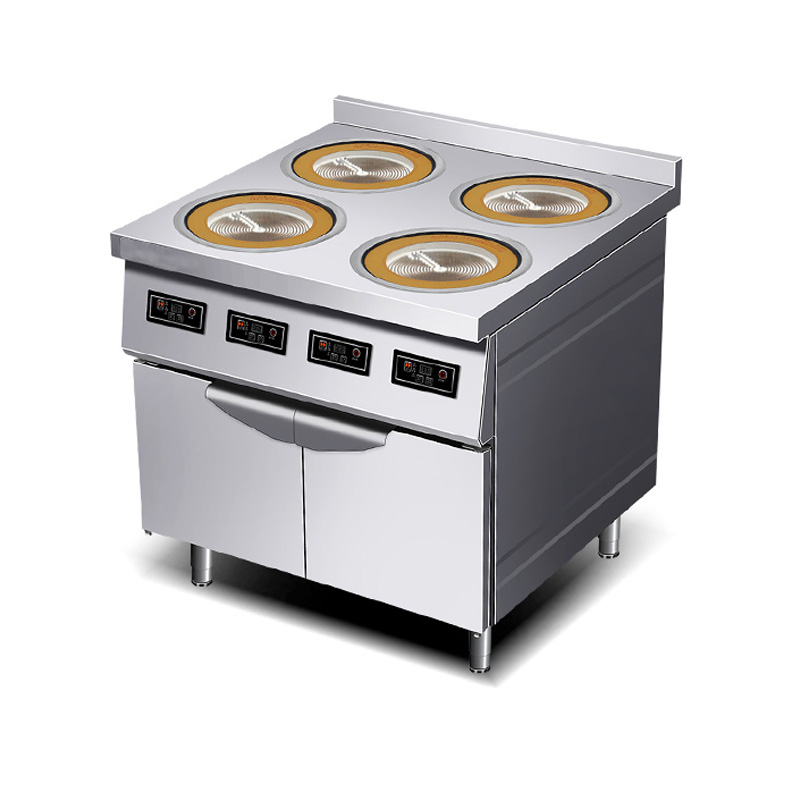
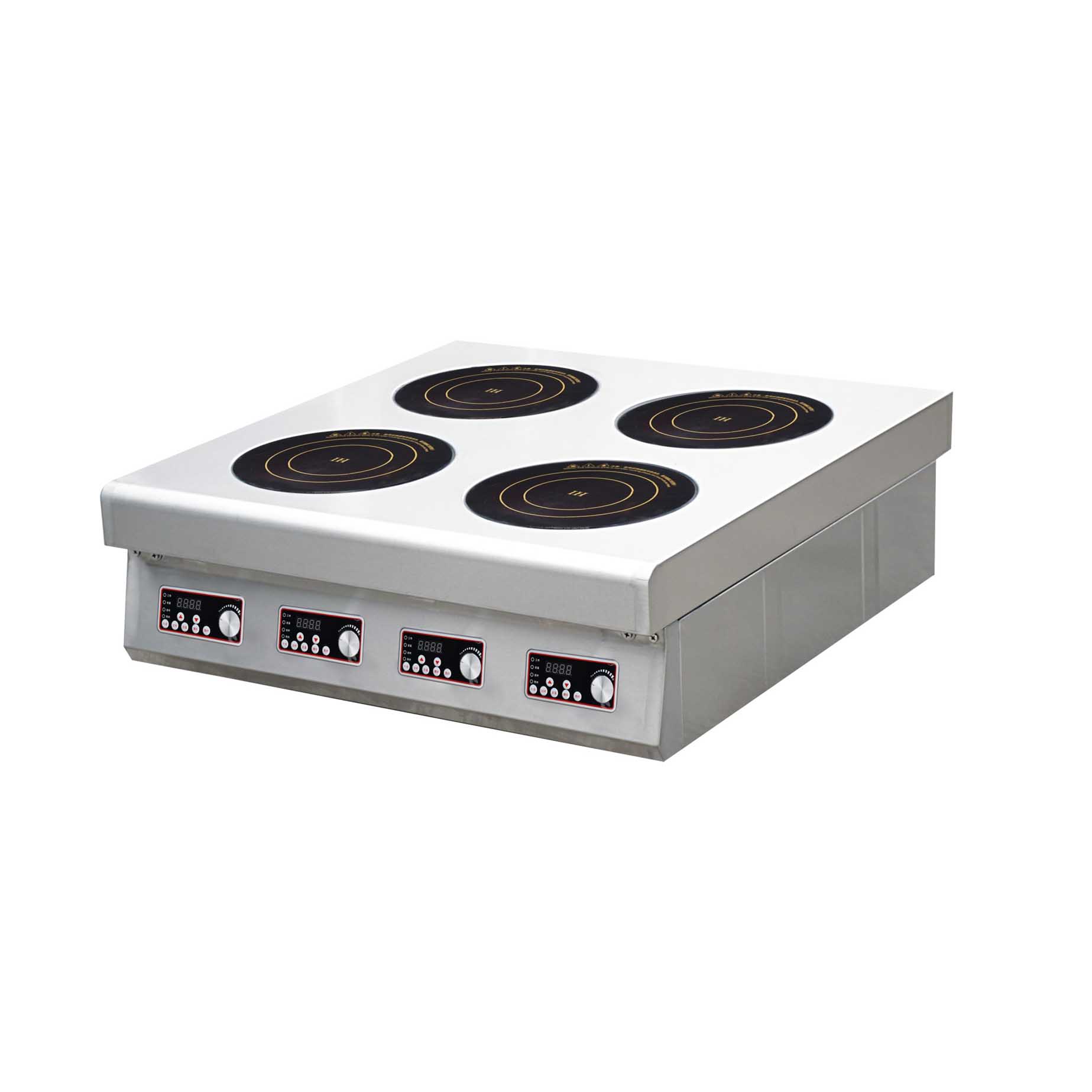
In today’s busy world of running a kitchen, having a commercial Induction Cooker has really turned out to be a total game-changer for many food businesses. It’s an innovative piece of tech that heats your pots and pans directly using electromagnetic energy, which means you get faster, more precise control over the temperature. Plus, it uses less energy overall. Whether you’re managing a lively restaurant, rolling out food from a food truck, or running a catering gig, understanding how a commercial induction cooker works can seriously make a difference in how smoothly your kitchen runs and how much you can boost your profits.
Basically, what makes these cookers special is that they heat up the pots themselves, not just the surface underneath. That means less heat wasted and a safer cooking spot — lower chances of burns or fires. Zapping heat directly into your cookware means you can cook faster, keep things safer, and even be a bit kinder to the environment. As we take a closer look at all the cool features and benefits of these induction cookers, it’s clear that they can really help push your culinary business to the next level.

What is a Commercial Induction Cooker?
A commercial induction cooker is a modern Cooking Appliance that utilizes electromagnetic energy to heat cookware directly, offering enhanced cooking efficiency and safety for a variety of business settings. Unlike traditional electric or gas stoves, induction cookers require compatible cookware made of ferrous materials, which enhances heat transfer and minimizes wasted energy. According to a report by Research and Markets, the global commercial induction cooking market is projected to grow at a CAGR of around 6.5% from 2021 to 2026, highlighting the increasing adoption of this technology in restaurants and catering businesses.
One of the primary advantages of commercial induction cookers is their speed. Induction cooking can heat pots and pans in a matter of seconds, significantly reducing cooking times compared to traditional methods. The National Restaurant Association notes that energy efficiency is another compelling reason for kitchens to switch to induction cookers, as they use up to 90% of their energy to actually cook food, while conventional gas stoves typically convert only about 40% of their energy into usable heat. Furthermore, the lack of open flames and the cooler cooking surface made possible by induction technology contribute to a safer working environment, reducing the risk of burns and kitchen fires. This combination of speed, energy efficiency, and safety makes commercial induction cookers an attractive choice for businesses looking to optimize their kitchen operations.
Key Features of Commercial Induction Cookers
Commercial induction cookers have gained significant traction in the food service industry, thanks to their efficiency and innovative technologies. One of the key features of these cookers is their rapid heating capability. According to a report by the North American Induction Cookware Association, induction cookers can heat up to 50% faster than traditional gas burners, which translates to reduced cooking times and improved kitchen productivity. This is crucial for businesses that require quick service without compromising food quality, making induction an attractive option.
Another standout feature is the energy efficiency of commercial induction cookers. A study conducted by the U.S. Department of Energy indicates that induction cooking uses about 90% of energy generated, compared to only 74% for gas stoves. This not only lowers energy costs but also minimizes heat waste in the kitchen, creating a more comfortable environment for staff. Furthermore, many induction cookers are equipped with smart technology, allowing for precise temperature control and programmable cooking settings which ensure consistent results, a vital element in maintaining food quality across different service times.
Tips: Consider the layout of your kitchen when selecting a commercial induction cooker. Ensure there's adequate space around the unit for ventilation and ease of movement. Additionally, investing in high-quality induction cookware is essential, as not all pots and pans are compatible, which can affect cooking efficiency.
How Commercial Induction Cookers Operate
Commercial induction cookers are advanced cooking devices that utilize electromagnetic technology to efficiently heat cookware. Unlike traditional methods that generate heat through gas or electric burners, induction cookers produce heat directly in the pot or pan itself. This process begins with a copper coil beneath the cooking surface that creates a magnetic field when electricity flows through it. When a ferrous metal pot is placed on the cooker, the magnetic field induces electric currents within the pot, causing it to heat up rapidly.
The operation of commercial induction cookers is characterized by precise temperature control and responsiveness. Chefs can quickly adjust heat levels at the touch of a button, allowing for more accurate cooking and reduced risk of overheating. Additionally, since the cooker's surface remains relatively cool, it enhances safety in a busy kitchen environment, minimizing the chances of burns or accidents. This efficiency not only streamlines cooking processes but also reduces energy consumption, making induction cookers a sustainable choice for businesses focused on energy management and operational cost savings.
Commercial Induction Cooker Energy Efficiency
Benefits of Using Induction Cookers in Businesses
Induction cookers have emerged as a game-changer for various businesses in the food industry. Their unique heating method, which uses electromagnetic energy to directly heat pots and pans, provides several advantages that can enhance operational efficiency and customer satisfaction. One of the prominent benefits is the speed at which induction cookers heat up, allowing chefs to cook meals more quickly and effectively. This rapid cooking capability can significantly reduce waiting times for customers, aiding businesses in meeting high-demand periods seamlessly.
Additionally, induction cookers are designed with energy efficiency in mind. They consume less electricity compared to traditional cooking methods, leading to lower operational costs. This not only helps businesses to save money but also aligns with sustainable practices, appealing to environmentally conscious consumers. Moreover, the precise temperature control offered by induction technology enables chefs to achieve consistent cooking results, enhancing the quality of dishes served and minimizing food wastage.
Tips: When integrating induction cookers into your establishment, consider investing in cookware specifically designed for induction use to maximize efficiency. Regular maintenance of the cookers can also prolong their lifespan and maintain cooking performance. Lastly, training staff on the unique features of induction cooking can ensure that they harness the full potential of this innovative technology for enhanced culinary experiences.
What is a Commercial Induction Cooker and How Does it Work for Your Business - Benefits of Using Induction Cookers in Businesses
| Feature | Description | Benefits for Businesses |
| Energy Efficiency | Induction cookers use electromagnetic energy to heat cookware directly. | Reduces energy costs and minimizes heat wastage. |
| Speed of Cooking | Induction cooking is faster than conventional cooking methods. | Increases productivity in busy kitchen environments. |
| Safety Features | Induction cookers only heat the cookware, not the surrounding area. | Reduces the risk of burns and fire hazards. |
| Easy Cleanup | The smooth surface of induction cookers makes cleaning easy. | Saves time on kitchen maintenance. |
| Temperature Control | Precise temperature regulation allows for better cooking consistency. | Improves dish quality and reduces cooking errors. |
Comparing Induction Cookers with Traditional Cooking Methods
Induction cookers represent a modern solution for commercial kitchens, offering several advantages over traditional cooking methods. Unlike gas or electric stovetops, which rely on direct heat, induction cookers utilize electromagnetic fields to generate heat directly in the cookware. This not only leads to faster cooking times but also provides enhanced energy efficiency. As a result, businesses can experience significant reductions in energy costs and improved overall kitchen productivity.
In addition to energy efficiency, induction cooking offers superior temperature control. Traditional methods often suffer from uneven heat distribution, leading to hot spots and overcooked food. Induction cookers, on the other hand, allow for precise adjustments, enabling chefs to maintain consistent temperatures, which is crucial for high-quality meal preparation. Furthermore, the cooler surface of induction cookers reduces the risk of burns and enhances safety in a busy kitchen environment, making them suitable for both novice and experienced cooks. This transition to induction technology not only streamlines cooking processes but also elevates the culinary experience within any commercial setting.
Important Factors to Consider When Choosing a Commercial Induction Cooker
When selecting a commercial induction cooker for your business, there are several important factors to consider that can significantly impact both efficiency and operational success. One crucial aspect is the power output of the induction cooker. Commercial models typically range from 1,200 watts to over 3,500 watts. According to industry reports, higher wattage models can reduce cooking times by up to 50%, which is essential for busy kitchens that require quick meal preparation. Additionally, the energy efficiency of induction cookers is noteworthy, offering approximately 90% efficiency compared to gas cookers, which only reach about 40% efficiency, drastically lowering energy costs.
Another key consideration is the size and cooking surface of the induction cooker. Depending on the volume of food you plan to prepare, choosing a model with the appropriate surface area is critical. Larger cookers facilitate multiple dishes cooking simultaneously, which is particularly beneficial during peak business hours. It's also important to ensure the induction cooker is compatible with the cookware in your kitchen. Induction cookers require ferrous metal pots and pans, which generate heat through electromagnetic energy.
Tips: Always measure your kitchen space to confirm that the induction cooker will fit, considering both height and width. Additionally, look for models with safety features such as automatic shut-off and overheat protection, which not only safeguard your staff but also enhance the reliability of your kitchen operations. Lastly, consider opting for induction cookers that offer easy-to-use controls for quicker adjustments during cooking, as this can streamline your workflow in a high-paced environment.
Maintenance and Safety Tips for Commercial Induction Cookers
Proper maintenance and safety protocols are essential for the optimal performance of commercial induction cookers. Regular cleaning can significantly extend the life of the equipment. Industry reports indicate that cookers that are well-maintained can last up to 15 years longer than those that are neglected. To keep your induction cooker in peak condition, be sure to wipe down the surface after each use and regularly check for any dust buildup that could impair function. Additionally, ensure the induction surfaces are free from any large debris to avoid potential damage when heating.
Safety is paramount in commercial kitchens. According to a study by the National Fire Protection Association, approximately 60% of restaurant fires are caused by cooking equipment. To mitigate risks associated with induction cooking, it is crucial to train staff on proper usage and emergency procedures. Ensure that the cookers are operated under supervised conditions and that all employees understand how to turn off the equipment quickly in case of an emergency.
**Tip:** Always keep a fire extinguisher easily accessible in the kitchen. Regular safety drills can help staff remain vigilant and prepared for any unforeseen incidents. Additionally, inspect electrical connections monthly to prevent any potential hazards arising from faulty wiring. Following these maintenance and safety tips can enhance both the reliability and safety of your commercial induction cooking setup.
Maximizing Cooking Efficiency with 4-Zone Induction and Electric Ceramic Hobs: A Comprehensive Guide
Induction and Electric Ceramic Hobs have transformed modern cooking by maximizing efficiency and enhancing user experience. The 4-zone design allows multiple cooking processes to occur simultaneously, significantly reducing meal prep time. According to industry reports, the average household can save up to 30 minutes on daily cooking tasks with the effective use of these hobs. This efficiency is not only beneficial for busy families but also for professional chefs in commercial kitchens, where time is literally money.
The durability and quality of materials used in constructing these cooking appliances play a crucial role in their performance. High-quality thickened stainless steel housing ensures corrosion resistance and longevity, making these hobs ideal for regular use. Additionally, the impact-resistant high-density microcrystalline glass contributes to the durability of the cooktop, allowing it to withstand high temperatures and sudden impacts. Such materials not only elevate the aesthetic appeal in contemporary kitchens but also enhance safety during cooking, as they are designed to resist thermal shock and wear.
Furthermore, with rising energy costs and increased consumer awareness about sustainability, induction and ceramic hobs are becoming a go-to choice. They typically consume 50% less energy compared to traditional gas stoves, leading to significant savings over time. The direct heat transfer in induction cooking also minimizes wasted energy, promoting an eco-friendly cooking environment. As technology advances, these hobs are likely to incorporate more smart features, making them even more efficient and user-friendly for the next generation of home chefs.
FAQS
: A commercial induction cooker is a cooking appliance that uses electromagnetic energy to directly heat cookware, providing efficient cooking and safety suitable for various business environments.
It operates by generating a magnetic field via a copper coil under the cooking surface, which induces electric currents in ferrous cookware, causing it to heat up quickly without heating the surface of the cooker itself.
The main benefits include faster cooking times, energy efficiency (up to 90% energy use for cooking), and enhanced safety features due to the absence of open flames and cooler cooking surfaces.
Only cookware made of ferrous materials is compatible, as it is necessary for the induction process to occur and for the cookware to heat effectively.
Induction cooking is significantly more energy-efficient, using around 90% of its energy for cooking, while conventional gas stoves typically only convert about 40% of their energy into usable heat.
Yes, they are safer as they produce no open flames, and their cool surfaces reduce the risk of burns and kitchen fires, making them suitable for fast-paced cooking environments.
Yes, chefs can quickly adjust heat levels at the touch of a button, allowing for precise temperature control and more accurate cooking.
Yes, the commercial induction cooking market is projected to grow as more restaurants and catering businesses recognize the benefits of this technology.
Conclusion
A commercial induction cooker is an advanced cooking appliance designed for professional kitchens, utilizing electromagnetic energy to heat pots and pans directly. This method offers precision cooking and enhanced efficiency compared to traditional cooking methods, as it minimizes heat loss and reduces cooking times. Key features include rapid temperature control, safety mechanisms, and energy efficiency, making these cookers an ideal choice for busy food service environments.
When operating a commercial induction cooker, users benefit from various advantages, such as lower energy consumption, reduced heat in the kitchen, and easier cleaning processes. However, selecting the right unit involves considering factors like size, power levels, and specific cooking needs. Proper maintenance and adherence to safety tips are essential to ensure longevity and reliable performance in business settings, solidifying the commercial induction cooker as a valuable asset for any culinary operation.