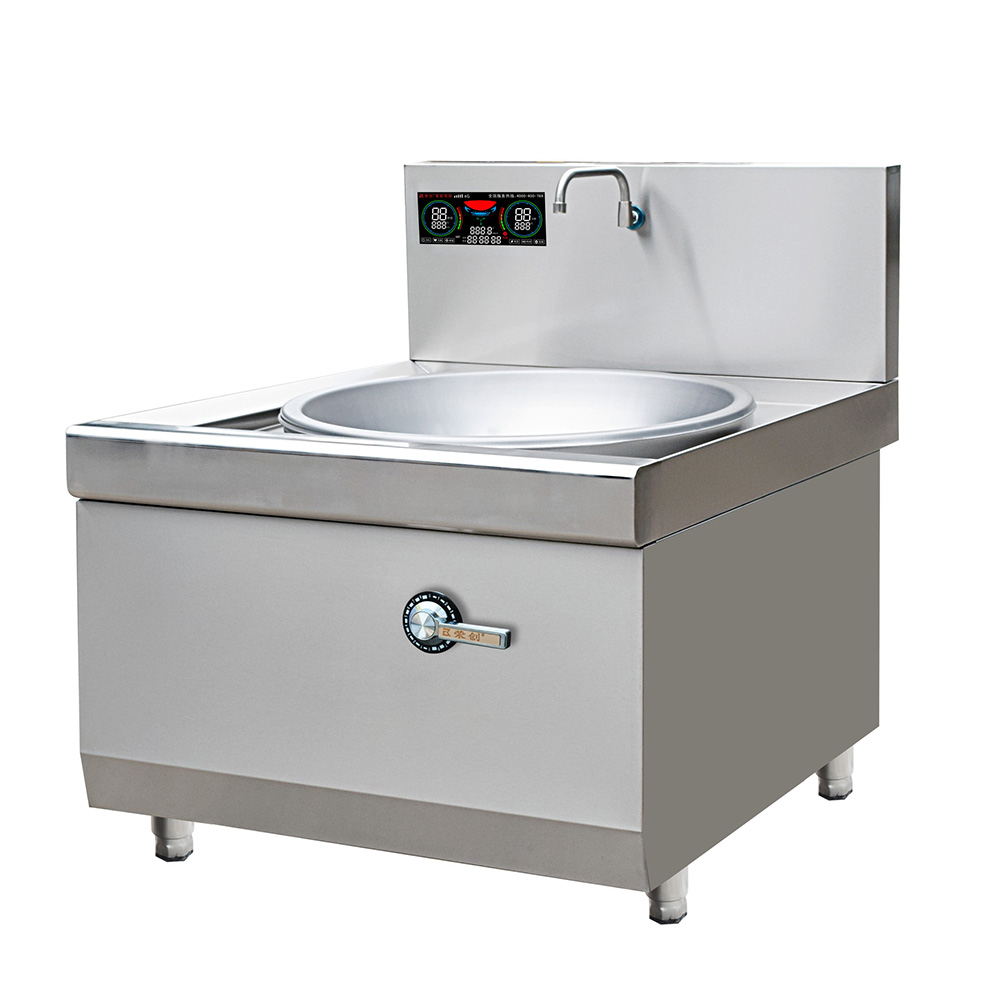
In today's manufacturing world, energy efficiency really isn’t optional anymore — it’s a must if you want to stay competitive. Companies are always on the lookout for innovative solutions, and one that’s been gaining a lot of traction is Energy-Efficient Induction Heating. Honestly, this technology is a game-changer. Not only does it cut down on energy use, but it also helps boost productivity.
Picture a factory where every single kilowatt counts — making sure energy isn’t wasted. Switching to energy-efficient induction heating systems can really slash your costs. They heat up materials quickly and evenly, unlike the old-school methods that just throw heat away. That said, picking the right equipment isn’t always straightforward. Not all systems are equal, and performance can vary quite a bit.
Sure, energy-efficient induction heating has tons of benefits, but it’s not perfect. The initial costs can be pretty steep, and your team needs proper training to use these systems effectively. A slip-up or mistake during operation can lead to inefficiencies — nobody wants that. As companies work through these hurdles, staying committed to best practices is key to making everything work smoothly and getting the most out of this technology.

Top Tips for Energy Efficient Induction Heating Solutions
When considering energy-efficient induction heating solutions, several factors come into play. Choosing the right equipment is crucial. An energy-efficient Induction Cooker not only saves power but also enhances cooking precision. Many users overlook proper installation. A well-calibrated unit performs better, which can lead to significant energy savings.
Another aspect to consider is the cookware. Using compatible pots and pans is essential. Induction cookers work best with magnetic materials. Non-compatible cookware may lead to energy waste. It's surprising how many still use the wrong pans, often without realizing the impact on efficiency.
Regular maintenance is often neglected, too. Keeping the induction surface clean helps in better heat transfer. Caked-on residues can diminish performance. Reflecting on these overlooked details is key. Small adjustments can make a substantial difference in energy consumption, helping to achieve optimal efficiency in everyday cooking.
Understanding Induction Heating Technology and Its Energy Efficiency
Induction heating technology is gaining attention for its energy efficiency. It uses magnetic fields to heat conductive materials. This method minimizes heat loss, as energy directly targets the workpiece. Traditional heating methods waste energy heating surrounding air and surfaces. Induction heating solves this problem effectively.
However, achieving optimal energy efficiency can be challenging. The initial setup and equipment costs might deter some users. Additionally, improper material selection impacts heating performance. Not every metal responds well to induction heating. It requires careful planning and experimentation to find the right combination.
Furthermore, operators must tune the system for maximum efficiency. Small adjustments in frequency and power levels can lead to significant savings. It’s important to monitor energy consumption continuously. Even a minor oversight can cause increased energy use. Therefore, understanding the technology’s intricacies is crucial for effective implementation.
Key Metrics for Evaluating Induction Heating Efficiency
When evaluating induction heating efficiency, several key metrics stand out. Power consumption is critical. It measures how much energy is used during the heating process. A lower power usage indicates better efficiency. Another important metric is heating time. This measures how quickly the desired temperature is reached. Faster heating can save time and energy, both valuable resources.
Temperature uniformity is also essential. It shows how evenly the heat is distributed. Better uniformity means less wasted energy. Losses due to uneven heating can lead to inefficiencies and affect product quality. Energy conversion efficiency completes the assessment. It reflects how well the system converts electrical energy into heat. High conversion rates equate to more effective heating solutions.
While these metrics provide valuable insights, they may not paint the full picture. Variability in materials can impact results. Different applications may require unique considerations. It is vital to analyze all metrics together, not in isolation. This holistic view helps identify potential improvements. We must reflect on the capability and adaptability of each solution. Induction heating offers promise but requires ongoing evaluation.
Energy Efficiency of Induction Heating Solutions
This bar chart illustrates the energy efficiency of various induction heating solutions based on three key metrics: Overall Efficiency, Power Consumption, and Heating Speed. These metrics help in evaluating the effectiveness and sustainability of induction heating technologies.
Comparative Analysis: Induction Heating vs. Traditional Heating Methods
Induction heating technology provides distinct advantages over traditional methods. Traditional heating often wastes energy through convection and conduction. Data suggests that induction heating systems can convert up to 90% of energy into heat. In contrast, gas or electric coil units typically range from 30% to 70% efficiency. This stark difference highlights why many industries are shifting towards induction solutions.
The benefits are not just numerical. Induction heating offers precise temperature control. This enables quicker response times during manufacturing processes. Reports show that proper temperature regulation can increase product quality. Interestingly, some studies argue that traditional heating methods may be more familiar. These methods have been used for decades, causing resistance to change. However, the energy savings with induction systems, like the China Energy Efficient Induction Cooker, are significant enough to challenge these traditional norms.
Adopting new technology always involves uncertainty. Maintenance and initial setup can be more complex for induction heating. Industries must weigh the upfront costs against long-term savings. Efficiency, while crucial, is not the only consideration in choosing a heating method. Balancing immediate needs with future goals requires careful thought and reflection.
Top Tips for Energy Efficient Induction Heating Solutions
| Heating Method | Energy Efficiency (%) | Heat Up Time (minutes) | Cost of Operation ($/hour) | Maintenance Frequency (months) |
| Induction Heating | 90 | 1 | 3.50 | 12 |
| Electric Resistance Heating | 80 | 5 | 4.00 | 6 |
| Gas Heating | 75 | 7 | 5.00 | 9 |
| Microwave Heating | 85 | 3 | 3.00 | 18 |
Optimizing Power Settings for Maximum Energy Conservation
Induction heating solutions can be a game-changer for energy efficiency. Optimizing power settings is crucial to achieve maximum energy conservation. Focus on adjusting the heat levels based on your cooking needs. For example, use lower settings for simmering and higher for boiling. This small change can lead to significant energy savings.
Another tip is to select the right cookware. Flat-bottomed pots and pans work best. They transfer heat more effectively, reducing energy waste. Ensure the size of the cookware matches the induction zone. This ensures maximum heat transfer, minimizing energy loss.
Consider a Wholesale Energy Efficient Induction Cooker. Such options often come with advanced power management features. These features help maintain optimal temperatures without excess energy consumption. Experiment with different power settings to find the most efficient combination for your cooking tasks. Adjustments can lead to better results and energy savings. Remember, small changes make a big difference in energy consumption.
Implementing Smart Controls for Enhanced Induction Heating Performance
Implementing smart controls can significantly enhance induction heating performance. These controls optimize energy usage and improve overall efficiency. By utilizing advanced sensors, systems adapt to specific heating needs. This guarantees better thermal management and reduced energy waste.
Consider integrating temperature sensors that monitor real-time heat distribution. By doing so, the system can adjust power levels automatically. This ensures that the heated area gets the exact amount of energy required. Feedback loops can help fine-tune the heating process. A little miscalculation can lead to excess energy use, making it vital to get this right.
Yet, the transition to smart controls may not be straightforward. Installation can be complex and time-consuming. Operators might need training to understand the new technology. Failing to adapt could lead to underperformance. Regular assessments of the system are essential to maintain efficiency. Without this, the benefits can diminish over time.
Case Studies on Energy Savings from Induction Heating Applications
Induction heating has revolutionized energy efficiency in various industries. Studies show that induction heating can increase energy efficiency by up to 90%. For instance, a metal forging company reported a 30% reduction in energy costs after switching to induction heating. The consistent heating reduces waste, making processes cleaner and more cost-effective.
In another case, a manufacturer implemented an induction system for aluminum melting. They achieved a 40% decrease in energy consumption. This transformation not only cut costs but also improved production speed. The reliability of induction heating reduces downtime, enhancing overall productivity. Some industries still struggle to adopt this technology fully, often due to initial investment fears.
Reports indicate that while upfront costs can be high, the long-term savings outweigh these concerns. Transitioning to the Best Energy Efficient Induction Cooker can be a game-changer for many. The investment often pays off within a few years, reflecting positively on the bottom line. Yet, some companies remain hesitant, fearing adaptation challenges. Finding the right balance between cost and efficiency requires thoughtful consideration.
Maximize Your Cooking Experience: The Essential Induction Rice Steamer and Top Kitchen Appliances
Maximizing your cooking experience requires the right tools, and an essential induction rice Steamer can truly elevate your culinary skills. Crafted from high-grade stainless steel, this rice steamer features a thickened body that assures durability and longevity, making it an ideal choice for everyday cooking. The open design of the water tank allows for easy cleaning, promoting hygiene and facilitating a seamless cooking process. This thoughtful engineering not only enhances convenience but also ensures that the steamed products maintain their delightful taste and nutritional value.
Additionally, the innovative three-dimensional three-defense structure of the steamer further enhances its utility. Designed to be waterproof, oil smoke-proof, and insect-proof, it safeguards your food from external contaminants while providing a stress-free cooking environment. Coupled with other top Kitchen Appliances, this rice steamer forms the backbone of a well-equipped kitchen, supporting a variety of cooking methods and a range of delicious recipes. Whether you are a home cook or a culinary enthusiast, these essential kitchen tools will help you create memorable meals with ease and efficiency.
FAQS
: The article aims to inform readers about a specific topic. It provides detailed insights and practical information.
Yes, the information is designed for a general audience. Anyone interested can apply the insights.
Yes, there are always potential risks. Users should carefully evaluate their own situations before proceeding.
You can apply it through small, consistent changes. Begin with simple steps that fit your daily routine.
If issues arise, take a moment to reflect. Analyze what went wrong and adjust your approach accordingly.
Results may vary greatly. Some may see changes quickly, while others could take longer to notice improvements.
Yes, many online resources offer additional information. Explore articles, guides, and forums related to the topic.
Assess your current situation. Consider your interests and needs to determine the relevance of the information.
Absolutely! Sharing can help others and encourage discussion. Just ensure you provide proper context and understanding.
It's common not to see instant results. Reflect on your consistency and make necessary adjustments to your approach.
Conclusion
Energy-efficient induction heating technology offers a modern solution for applications requiring high-temperature processes. By harnessing electromagnetic fields, this method provides superior energy efficiency compared to traditional heating methods. Key metrics for evaluating induction heating efficiency include power consumption, heating time, and overall thermal efficiency, which underscore its advantages.
Optimizing power settings and implementing smart controls can significantly enhance the performance of induction heating systems, further promoting energy conservation. Case studies demonstrate substantial energy savings in various applications, highlighting the viability of energy-efficient induction heating across different industries. These strategies not only reduce operational costs but also contribute to a more sustainable manufacturing process.