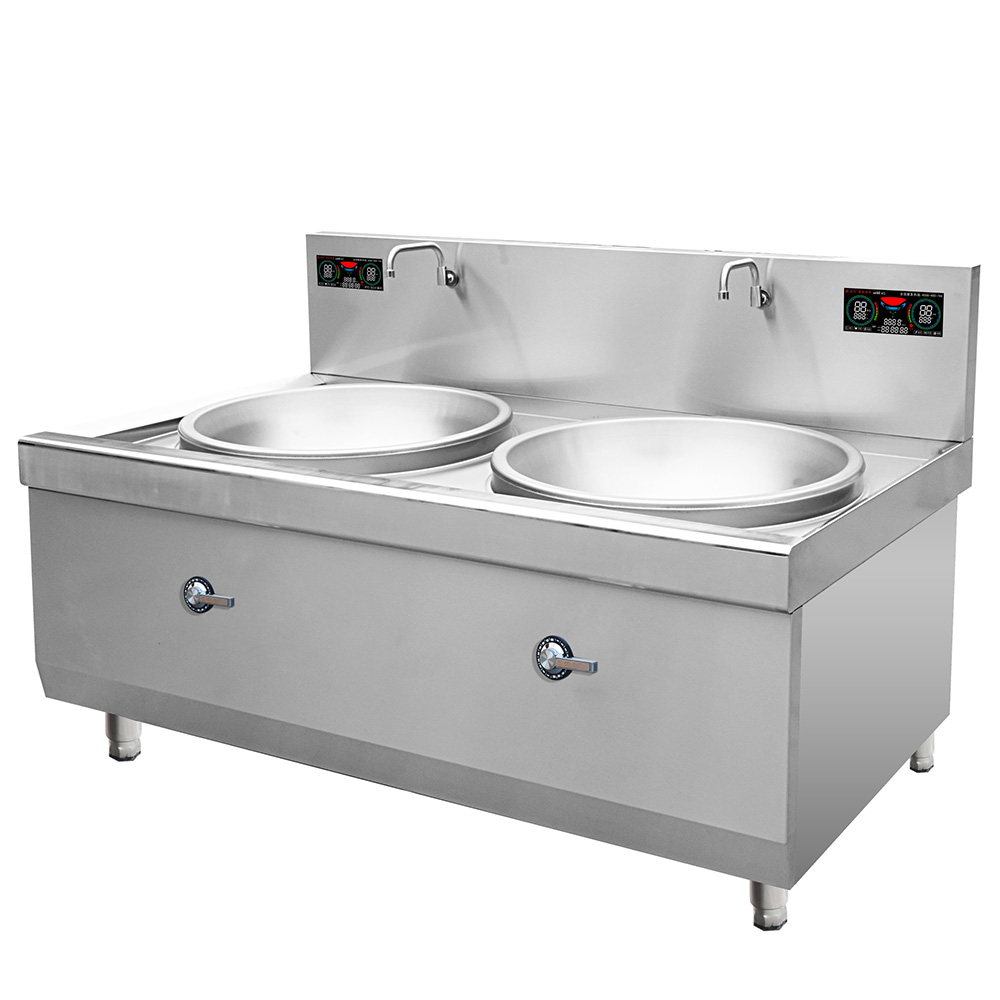
Induction heating has really changed the game in manufacturing. You know, it’s this cool tech that uses electromagnetic fields to warm up conductive materials. More and more companies are jumping on board because it’s just so efficient and precise—pretty impressive stuff, honestly.
If you’re curious about how it actually works, it’s worth reading up on How Does Induction Heating Work. Basically, it induces an electric current inside the metal, which then heats up. The big perks? It saves energy and speeds up production in factories. But, just a heads up—setting up these systems can be pretty costly initially.
Some companies talk about mixed results, though. Sure, induction heating can be super fast, but not all metals respond equally well. It takes some finesse to get everything running smoothly. As industries keep experimenting and adapting, it’s clear that induction heating offers some serious benefits. Still, it's important to keep evaluating and tweaking things to work out any kinks along the way.

What is Induction Heating in Manufacturing?
Induction heating is a method widely used in manufacturing processes. It relies on electromagnetic fields to heat conductive materials. This technique is efficient and quick, often producing results in seconds. According to recent industry reports, induction heating equipment can reduce energy consumption by up to 70% compared to traditional heating methods.
The key to understanding induction heating lies in how it works. A coil creates a magnetic field, generating eddy currents in the material. These currents result in rapid heating of the part. This process ensures high precision and repeatability. However, not all materials respond equally. Some metals may need specific conditions to achieve optimal heating.
Despite its advantages, users sometimes overlook the complexities involved. Induction heating may not be ideal for thick materials, as penetration depth can vary. Understanding the limitations is crucial for effective application. The manufacturing landscape is evolving. As companies adopt this technology, continuous learning and adjustments are necessary. Embracing these challenges can lead to significant improvements in efficiency.
The Principles Behind Induction Heating Technology
Induction heating is a fascinating technology in manufacturing. It creates heat through electromagnetic induction. The principle is quite simple. When an alternating current passes through a coil, a magnetic field forms. This field induces electric currents in nearby conductive materials. These currents generate heat.
Industry reports show that induction heating can reach efficiencies of over 90%. This is much higher than traditional heating methods, which often waste a lot of energy. In specific applications, induction heating can heat metal parts within seconds. This rapid heating leads to improved production rates and reduced energy costs.
Tips: When considering induction heating, evaluate the size and shape of parts. Smaller components heat up faster. Ensure the right frequency is used for the best results. Induction heating can be a game-changer, but it's not a one-size-fits-all solution. Each manufacturing context is unique and may require adjustments.
Understanding "Induction Heating How It Works" is crucial for effective application. Not every system will work perfectly right away. Some trial and error might be necessary to optimize results. Moreover, training staff on the technology is vital, as it differs from conventional heating methods.
Components of an Induction Heating System
Induction heating is a popular method in manufacturing. It relies on a few key components to function effectively. The primary element is the induction coil. This copper coil generates an electromagnetic field when an AC current passes through it. The shape and size of the coil can vary, influencing the heating pattern. Designing a suitable coil is crucial; an improperly sized coil may lead to uneven heating.
Another vital component is the power supply. It converts the electrical input into a frequency suitable for induction heating. Different materials require varying frequencies. For instance, harder metals may need higher frequencies. A mismatch can lead to inefficient heating or potential damage. The efficiency of the power supply impacts overall performance.
Lastly, there is the workpiece being heated. The material’s properties play a significant role. Some materials heat up quickly, while others take longer. Understanding these characteristics is essential for successful induction heating. This process can be tricky. Sometimes, the results are not as expected, highlighting the need for adjustments.
The Induction Heating Process Explained Step-by-Step
Induction heating is a popular method in the manufacturing sector. It works by using electromagnetic fields to heat conductive materials. This process is efficient and precise, allowing manufacturers to achieve the desired temperatures quickly.
The induction heating process involves several steps. First, a coil generates a magnetic field when electrical current passes through it. This field induces an electric current in the metal part. The metal then heats up due to its electrical resistance. Notably, about 80% of the energy used is converted into heat, according to industry reports. This efficiency can reduce manufacturing costs significantly.
However, challenges do exist. Achieving consistent heating can be difficult. Variations in material composition can lead to uneven heating. This inconsistency can affect quality. Evaluating these pitfalls is crucial for improvement. Industry experts emphasize the need for better monitoring systems. Such systems can ensure more uniform heating across various materials. This area requires attention to enhance product quality and reduce waste.
Applications of Induction Heating in Various Industries
Induction heating is a fast, efficient process used in various manufacturing industries. It has gained popularity due to its precision and speed. This method utilizes electromagnetic fields to heat conductive materials without direct contact. It is crucial in sectors like automotive, aerospace, and metalworking.
In the automotive industry, induction heating is often used for hardening steel parts. The process increases durability and performance. However, controlling temperature precisely can be a challenge. Slight variations may lead to inconsistent results. Additionally, induction heating in aerospace applications helps in weld bonding, ensuring components fit perfectly. Any misalignment could result in serious safety risks.
Many metalworking companies use induction heating for processes like forging and melting. The advantages are clear - reduced energy consumption and faster processing times. Nonetheless, some workers may find the technology intimidating. Familiarizing oneself with the equipment is essential. There is also a learning curve in mastering the technique, and mistakes can happen. This highlights the need for thorough training and continuous practice in the field.
Advantages of Using Induction Heating for Manufacturing
Induction heating is a powerful technology used in manufacturing. It offers several critical advantages. One primary benefit is efficiency. According to a study by the Institute of Electrical and Electronics Engineers, induction heating can achieve energy efficiencies of up to 90%. Traditional methods can fall short, wasting energy and increasing costs.
Another advantage is precision. Induction heating allows for rapid heating of specific areas. This reduces the risk of damage to surrounding materials. Manufacturers can control temperatures with remarkable accuracy. An analysis from the Manufacturing Institute emphasizes that this precision can improve product quality.
Tip: Consider integrating induction heating into your processes for optimal efficiency. Keep in mind that training staff is crucial. A knowledgeable team can leverage this technology effectively.
Additionally, induction heating can enhance productivity. It allows for quicker cycles compared to conventional methods. A report from the American Society of Mechanical Engineers noted that systems like the Cook Induction Heating Co can significantly reduce cycle times.
Tip: Regular maintenance of equipment ensures consistent performance. Address wear and tear promptly to mitigate downtime. Investing in quality tools can yield long-term benefits for your operations.
Challenges and Considerations in Induction Heating Processes
Induction heating has transformed manufacturing with its efficiency and precision. However, challenges exist in implementing this technology. One significant issue is the cost of Induction Heating Equipment. Initial investments can be high, especially for small manufacturers. According to a recent industry report, nearly 30% of manufacturers cite equipment cost as a barrier to adoption.
Another consideration is the skill level of operators. Proper training is crucial for maximizing the benefits of induction heating. A lack of knowledge can lead to improper use, reducing effectiveness. This gap is concerning, as approximately 40% of companies struggle with training their staff effectively.
Tips: Invest in comprehensive training programs to empower your team. Regular workshops can keep skills updated. Monitor equipment performance consistently to address issues early. Also, consider phased implementation to manage costs better. As manufacturers embrace induction heating, addressing these challenges becomes vital for successful integration. Balancing costs and training needs is essential for optimizing manufacturing processes.
Induction Heating Efficiency in Different Manufacturing Processes
This chart illustrates the efficiency of induction heating across various manufacturing processes, highlighting its benefits in applications like metal hardening, welding, brazing, melting, and preheating.
Optimal Cooking Solutions: Exploring the Benefits and Features of 6-Zone Induction Hobs
Induction cooking has rapidly gained popularity due to its innovative cooking solutions and efficiency. One of the standout features in modern kitchen designs is the 6-zone induction hob, which provides unparalleled cooking flexibility. A critical advantage of these hobs is the precise fire control they offer. With a power switch featuring five-speed settings, chefs can easily adapt to different cooking styles, whether simmering delicate sauces or searing proteins. The ergonomic design, coupled with an alloy material fire control handle, ensures comfort during prolonged cooking sessions, making it easier to control heat settings even with knee activation.
Additionally, the introduction of LED color digital displays enhances the user experience by providing real-time feedback on power levels. This intuitive visual interface allows chefs to gauge their cooking conditions at a glance, helping to prevent common cooking mishaps associated with traditional methods. A report from the International Journal of Culinary Science highlights that induction cooking can be up to 50% more energy-efficient than gas, making it not only a preferred choice for professional kitchens but also a sustainable option for home cooks looking to reduce their energy consumption.
The thoughtful design and features of 6-zone Induction Hobs cater to the evolving needs of today’s chefs. By embracing technology that emphasizes ergonomic ease and user-friendly interfaces, these cooking solutions foster a cooking environment where creativity can flourish, ultimately transforming everyday meal preparation into a more enjoyable and efficient experience.
FAQS
: Induction heating uses electromagnetic fields to heat conductive materials efficiently.
A coil generates a magnetic field, inducing currents in the metal, which causes rapid heating.
Induction heating can achieve energy efficiencies up to 90%. It reduces energy costs significantly.
Not all materials respond well. Some require specific conditions for optimal heating results.
Achieving consistent heating can be difficult due to variations in material composition.
Precision reduces the risk of damaging surrounding materials and improves overall product quality.
Implementing better monitoring systems can ensure uniform heating and reduce waste.
Yes, training staff is essential to leverage induction technology effectively and maximize benefits.
Regular checks and prompt repairs can prevent downtime and ensure consistent performance.
Yes, it allows for quicker processing cycles, leading to increased productivity in manufacturing operations.
Conclusion
Induction heating for manufacturing is a sophisticated process that utilizes electromagnetic fields to heat conductive materials without direct contact. This technology operates on the principles of electromagnetic induction, where an alternating current generates eddy currents within the metal, leading to rapid heating. An induction heating system consists of crucial components such as a power supply, induction coil, and the workpiece itself.
The induction heating process involves several steps, including the setup of the induction coil around the workpiece and the tuning of the power supply to ensure optimal heating. Common applications include hardening, brazing, and melting metals across various industries, from automotive to electronics. The advantages of using induction heating for manufacturing include energy efficiency, precise temperature control, and reduced processing times. However, manufacturers must also consider challenges such as equipment costs and the need for careful process management to achieve desired outcomes.