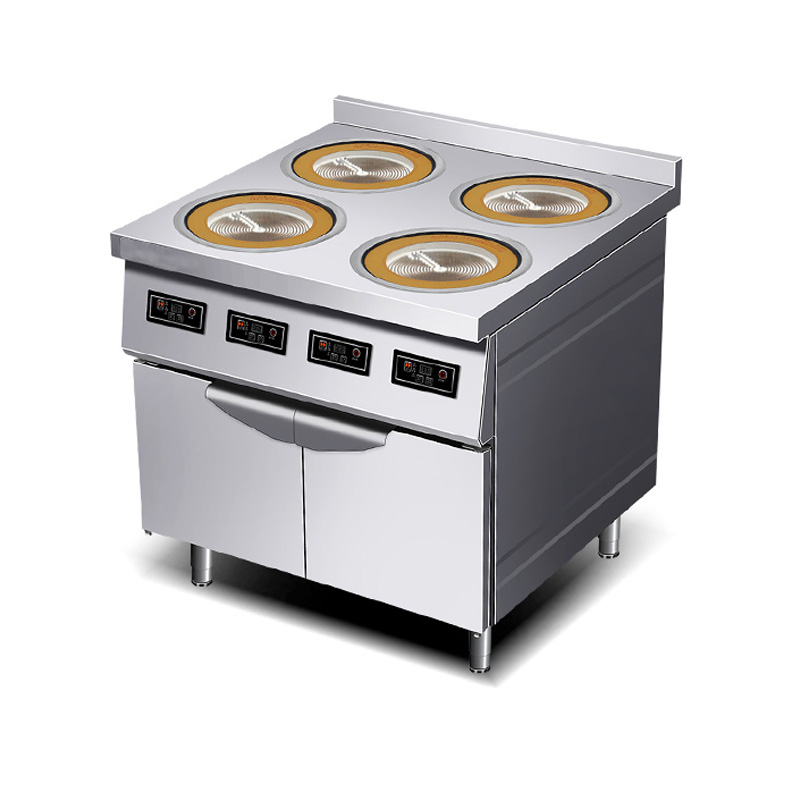
When it comes to setting up a commercial kitchen, picking the right appliances is a pretty big deal—it's all about getting those workflows running smoothly and efficiently. Lately, you might’ve noticed that restaurant induction ovens are becoming quite the buzz. They’re loved for being fast, energy-efficient, and offering really precise temperature control—that’s a game-changer in busy kitchens. As the culinary world keeps changing and evolving, it’s super important for restaurant owners and chefs to understand what makes these ovens special and how they can actually improve the way you cook. Picking the right induction oven can really boost your cooking process, help keep things consistent, and ultimately give your diners a better experience all around.
In this guide, I’ll walk you through what you need to think about when choosing an induction oven for your restaurant. We’ll look at the different types out there, the perks they bring compared to old-school stoves, and everything in between. Whether it’s about size, power, how efficient they are, or ease of use, I want to help you find the perfect fit for your kitchen—something that not only meets your cooking needs but also makes sense operationally. At the end of the day, it’s all about making a smart investment that pays off and keeps your kitchen running smoothly.
When exploring the world of restaurant induction ovens, understanding their fundamental features is essential for making an informed choice. Induction ovens cook food by using electromagnetic technology, which heats cookware directly rather than heating the oven itself. This method allows for precise temperature control, energy efficiency, and faster cooking times. As a result, chefs can maintain high standards of food preparation and improve overall kitchen productivity.
**Tips:** When selecting an induction oven, consider the size and layout of your kitchen. Ensure you have adequate space for the unit, and that it fits your cooking style and volume requirements. Additionally, take into account the type of cookware you'll be using, as induction ovens require compatible magnetic materials.
Another vital aspect is the control features of the induction oven. Many models come with digital interfaces that offer detailed temperature settings and cooking timers. Look for options that allow for easy adjustment to cater to various dishes and cooking techniques.
**Tips:** Opt for an oven with user-friendly controls that your kitchen staff can quickly adapt to, minimizing training time and maximizing efficiency. Comparing different models based on these features can lead to a more effective and profitable cooking environment in your restaurant.
| Feature | Importance | Considerations |
|---|---|---|
| Power Output | High | Choose based on cooking demands; typically 3kW to 7kW. |
| Size and Capacity | Medium | Consider kitchen space and size of meals cooked. |
| Control Type | High | Digital and manual controls offer different levels of precision. |
| Safety Features | High | Look for features like auto shut-off and cool-to-touch exteriors. |
| Energy Efficiency | Medium | Higher efficiency models save on utility costs. |
| Portability | Low | Consider whether you need a stationary or portable unit. |
When selecting the best restaurant induction oven, key features play a pivotal role in meeting your kitchen needs efficiently. One essential factor is power output, typically measured in watts. Many professional reports indicate that induction ovens with higher wattage (between 3,500 to 5,000 watts) offer quicker heating times and better temperature control. This not only enhances cooking precision but also improves energy efficiency, making it an economical choice for busy kitchens where time is crucial.
Another significant aspect is the size and capacity of the induction oven. Depending on your restaurant's volume of service, you may need a unit that can accommodate multiple pans or larger dishes simultaneously. Industry analyses suggest that a larger cooking surface, ideally 30 inches or more, can effectively cater to diverse cooking styles and increase productivity during peak hours. Additionally, consider the temperature range and control options. Units with multi-zone heating capabilities and precise temperature settings allow chefs to prepare various dishes to perfection, resulting in better overall food quality and customer satisfaction.
Lastly, ease of cleaning and maintenance should not be overlooked. Induction ovens with smooth, flat surfaces are generally easier to clean and maintain, which helps save time and labor costs. High-quality construction materials that resist staining and scratching can also prolong the lifespan of the equipment, enhancing return on investment in a competitive culinary environment. Prioritizing these features will ensure that you choose an induction oven tailored to your kitchen's specific requirements.
When selecting the right induction oven for a commercial kitchen, understanding the different types available is crucial. The main categories of induction ovens include countertop models, built-in ranges, and commercial induction cooktops. Countertop induction ovens are ideal for establishments with limited space; they are portable and can be moved as needed. Built-in ranges, on the other hand, provide a permanent solution for larger kitchens and often come with multiple cooking zones, enhancing workflow and cooking efficiency.
Furthermore, commercial induction cooktops are designed for high-volume cooking. They are typically more powerful and robust, capable of handling the demands of a busy kitchen environment. These units often include features like precise temperature control and quick heat response, which are essential for professional chefs aiming to optimize their cooking processes. Understanding these differences helps culinary professionals choose the induction oven that best aligns with their operational needs and kitchen layout, ultimately leading to better performance and satisfaction in daily cooking tasks.
When evaluating the cooking performance and efficiency of induction ovens, it is essential to consider factors such as heating speed, energy consumption, and temperature control. Induction cooking uses electromagnetic technology to directly heat pots and pans, which significantly reduces cooking time compared to traditional methods. According to a report by the Energy Efficiency and Renewable Energy (EERE) office, induction stovetops can bring water to a boil in approximately half the time of gas or electric counterparts, making them an ideal choice for busy kitchens.
Another key aspect of induction ovens is their energy efficiency. The U.S. Department of Energy highlights that Induction Cookers utilize about90% of the energy produced, while gas stoves use around 40% of their energy for cooking. This translates to lower utility bills and a reduced carbon footprint for users. Additionally, precise temperature control in induction ovens allows for a more consistent cooking process, minimizing the risk of overcooking or burning food. A study by the National Renewable Energy Laboratory (NREL) suggests that the ability to maintain stable temperatures leads to improved food quality and taste, further emphasizing the benefits of induction cooking for professional and home kitchens alike.
When selecting the best restaurant induction oven for your kitchen, assessing the size and space requirements is paramount. A well-planned kitchen layout should accommodate the induction oven without hindering workflow. Start by measuring the available space where the oven will be placed. Consider factors such as countertop height, ventilation, and accessibility. An oven that fits snugly will not only enhance efficiency but also provide a safer cooking environment.
Additionally, think about the capacity of the induction oven in relation to your cooking needs. If your kitchen handles large volumes of food at peak times, a model with a larger cooking surface may be essential. Conversely, if you operate in a smaller space or have lower volume requirements, a compact unit might suffice. Factor in the dimensions of pots and pans you intend to use, ensuring they are compatible with the oven's heating zones.
Thoughtful consideration of these size and space requirements will lead to a more functional and effective kitchen setup, ultimately improving your culinary operations.
When choosing an induction oven for your kitchen, one of the most significant factors to consider is the balance between cost and quality. Induction ovens can vary widely in price, but investing in a high-quality model can lead to significant long-term savings. While budget options might seem appealing initially, they may lack durability, efficiency, and precise temperature control, which are crucial for achieving the desired culinary results. Assessing your cooking needs and frequency can help you determine an appropriate budget without compromising on quality.
Tips for choosing the right induction oven include researching energy efficiency ratings and the materials used in the construction of the oven. Energy-efficient models not only function better but also lower your utility bills over time. Additionally, ensure that the oven is compatible with your existing cookware, as not all pots and pans will work with induction technology. Finally, consider the features you actually need; sometimes, paying more for additional capabilities might not be justifiable depending on how often you will utilize them.
Ultimately, the key is to find a balance that meets your cooking style, budget, and quality demands. Taking the time to compare different models and understanding the long-term implications of your investment can lead to a more satisfying kitchen experience.
Induction ovens are becoming increasingly popular in both commercial and residential kitchens due to their energy efficiency and precise cooking capabilities. However, to ensure their longevity and optimal performance, proper maintenance and care are essential. According to a recent industry report, regular cleaning and maintenance can enhance the lifespan of induction ovens by up to 30%. This emphasizes the importance of implementing a routine that includes wiping down the cooktop after each use, using non-abrasive cleaners, and checking for any signs of wear or damage to ensure safe operation.
In addition to cleaning, it's crucial to understand how to use induction ovens correctly to avoid unnecessary wear. For instance, using the right type of cookware, such as those made with ferrous materials, can help maintain the heating efficiency and prevent damage to both the cookware and the oven itself. A survey by the National Restaurant Association indicates that kitchens that utilize technique-specific maintenance for their appliances report a 25% reduction in operational issues, leading to fewer disruptions in service and increased productivity. By prioritizing the maintenance of induction ovens, kitchen operators can ensure reliable performance and contribute to a smoother culinary experience.
: Power output, measured in watts, is crucial as higher wattage (between 3,500 to 5,000 watts) offers quicker heating times and better temperature control, enhancing cooking precision and energy efficiency.
A larger cooking surface, ideally 30 inches or more, can accommodate multiple pans or larger dishes, which increases productivity and efficiency, especially during peak service hours.
Precise temperature control allows chefs to prepare various dishes to perfection, leading to improved food quality and greater customer satisfaction.
Induction ovens with smooth, flat surfaces are easier to clean and maintain, saving time and labor costs, while high-quality materials prolong the lifespan of the equipment.
Induction cooking can bring water to a boil in approximately half the time of gas or electric stovetops, making it more efficient for busy kitchens.
Induction ovens utilize about 90% of the energy produced for cooking, while gas stoves only use around 40%, resulting in lower utility bills and a reduced carbon footprint.
Stable temperature control minimizes the risk of overcooking or burning food, leading to improved food quality and taste.
Key features such as power output, size and capacity, temperature control options, and ease of cleaning should be prioritized to ensure the oven meets specific kitchen requirements.
When selecting the best restaurant induction ovens for your kitchen needs, it's essential to understand the basics of these appliances, including their key features and benefits. Consider factors such as cooking performance, efficiency, size, and space requirements to ensure the oven meets your operational demands. Different types of induction ovens are available for commercial use, each designed to cater to various cooking methods and kitchen setups.
Budget is an important consideration, as you will need to balance cost with the quality and durability of the induction oven. Maintaining and caring for your restaurant induction ovens is vital for longevity, ensuring that they remain efficient and effective in your kitchen. By evaluating these aspects carefully, you can make an informed decision that enhances your culinary operations.